Running a hotel involves much more than managing reservations and welcoming guests. Behind every successful stay, there are dozens of financial processes that need to work smoothly. From collecting deposits and processing card payments to issuing invoices and handling refunds, every transaction requires accuracy and attention.
When these processes are managed manually, they can quickly become time consuming. Staff spend valuable hours checking payments, correcting invoices and following up on outstanding balances. This leaves less time for guest service and other important tasks.
Modern hotel software can change this. Automated payments and digital invoice management help hotels simplify financial operations, reduce manual work and maintain better control over their revenue.
Why Payment Automation Matters in the Hotel Industry
Payment processing is an essential part of hotel operations. Guests expect convenient payment options, while hotels need to ensure that every transaction is completed correctly and on time.
Manual payment management often creates unnecessary work. Employees must track deposits, check credit card details, process additional charges and monitor outstanding balances. The risk of missed payments and human errors also increases.
Automated payment processing helps hotels handle these tasks more efficiently.
With the right hotel payment solution, hotels can:
- Collect deposits automatically at predefined times.
- Process payments according to cancellation policies.
- Charge applicable no show fees.
- Handle additional expenses and outstanding balances.
- Reduce manual payment checks and administrative tasks.
This creates a more predictable payment process. Hotel employees spend less time on routine financial tasks and can focus more on guest satisfaction.
Tokenization Makes Automated Payments More Secure
Payment automation brings efficiency, but security must remain a priority. Hotels regularly handle sensitive payment information. Protecting this data is essential for maintaining guest trust and reducing security risks.
This is where payment tokenization becomes particularly important.
Tokenization replaces sensitive credit card details with unique digital tokens. Instead of storing actual card information in the hotel management system, the system uses these tokens to initiate eligible future transactions through the payment provider.
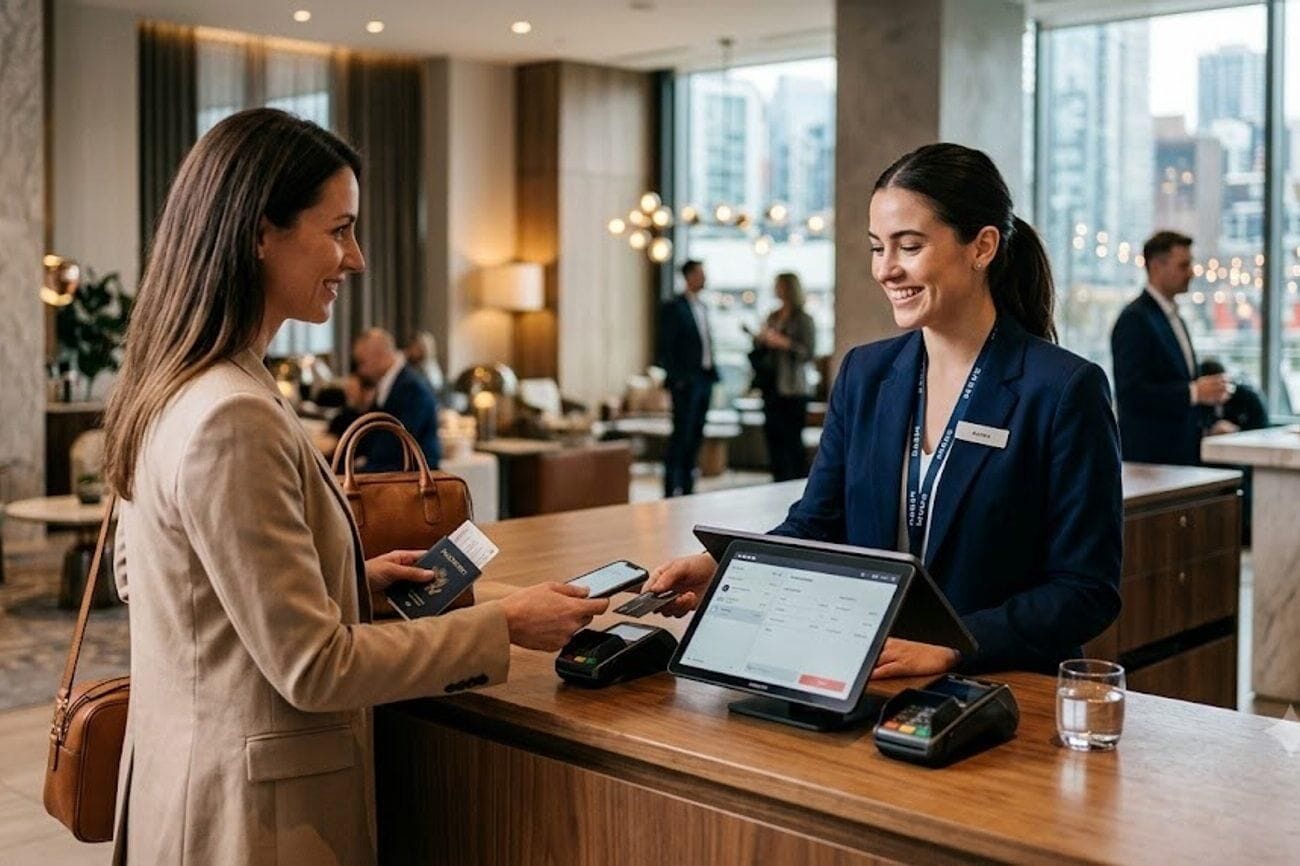
This approach offers several advantages.
- Sensitive card details do not need to be stored directly in the hotel software.
- The exposure of payment information is reduced.
- Eligible future transactions can be processed without asking guests to enter their card details again.
- Payments related to no shows and outstanding balances can be handled according to the applicable agreements and payment rules.
Tokenization is especially useful for hotels that want to automate recurring payment tasks while maintaining appropriate security standards.
However, tokenization and automation work best together. Automation without proper data protection can create risks. Tokenization without automated workflows leaves many opportunities unused.
Together, they support a more efficient and secure payment environment.
Digital Invoicing. More Control Over Hotel Finances
Payments are only one part of hotel financial management. Invoicing is equally important.
Hotels deal with different types of guests and billing requirements. A reservation may include accommodation, meals, additional services and other expenses. Sometimes several people or companies need separate invoices for the same booking.
Managing these situations manually can become complicated.
A modern hotel management system should provide flexible invoice management tools. These allow employees to handle different billing situations directly within one platform.
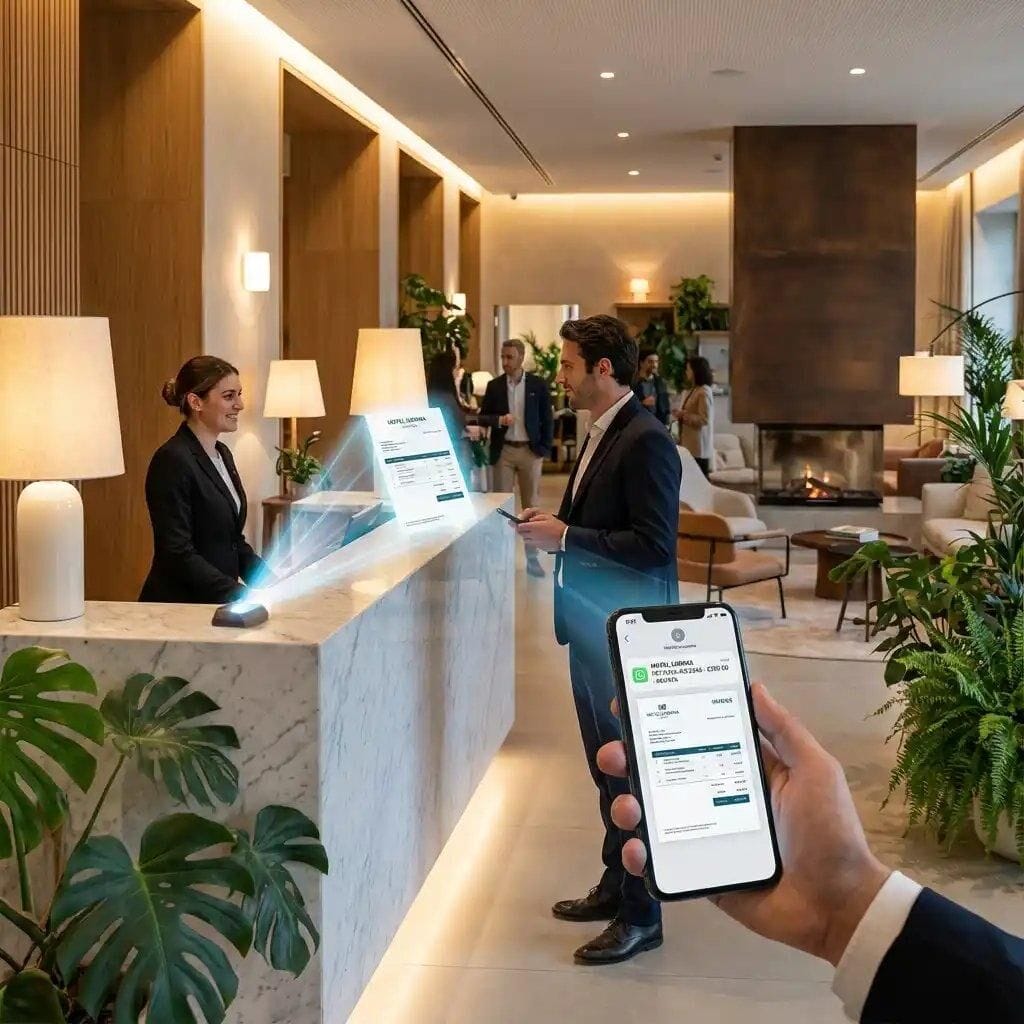
Essential invoicing functions include:
Splitting and merging invoices
Employees can divide one invoice into several documents or combine multiple invoices when needed.
Editing invoice details
Incorrect or outdated information can be corrected according to applicable accounting requirements.
Cancelling incorrect invoices
Mistakes can be addressed through the appropriate cancellation process.
Creating credit notes and refunds
Hotels can process adjustments and return payments when necessary.
Transferring booking items
Charges can be reassigned to another invoice or account.
Managing partial and advance payments
Already received payments can be allocated to the corresponding invoice.
Sending and downloading invoices
Digital documents can be shared with guests or downloaded for accounting purposes.
These functions make invoice management more transparent. They also help reduce administrative work and improve the accuracy of financial records.
The Connection Between Payments and Invoicing
Payment processing and invoicing should not operate as separate activities.
When these processes are connected within one hotel management system, employees have a clearer overview of each reservation's financial status.
For example, a guest may pay a deposit before arrival. Additional services may be added during the stay. The remaining balance is then settled at check-out.
Without connected processes, employees may need to update several records manually. This increases the possibility of discrepancies.
An integrated hotel software solution helps connect reservations, payments and invoices. It makes it easier to track received payments, identify outstanding balances and prepare accurate invoices.
This is particularly valuable for hotels with high occupancy, multiple payment methods or complex billing requirements.
What Happens to Payment Data When Switching Hotel Software?
Choosing a new hotel management system is a significant decision. Many hotels focus on transferring reservations, room categories, guest profiles and pricing information.
However, financial data deserves the same attention.
Payment histories, invoice records and stored payment tokens can be just as important as reservation data.
One of the biggest challenges is transferring stored payment tokens. These are often linked to a specific payment provider and its technical infrastructure. They cannot simply be exported and imported like standard spreadsheet data.
The possibility of transferring tokens depends on the payment provider, the tokenization method and the agreements between the parties involved.
If existing tokens cannot be transferred, hotels may need to collect payment details again. This can affect future automated charges, including deposits and other eligible transactions.
Missing invoice histories can also create difficulties for accounting teams and make it harder to respond to questions from returning guests.
That is why payment data migration should be discussed before changing hotel software.
A well planned migration should include:
- Reviewing the available guest and payment data.
- Identifying which invoices and payment histories need to be transferred.
- Coordinating with the payment provider to check token portability.
- Testing automated payments in the new system.
- Verifying invoice records and outstanding balances.
- Providing support throughout the transition.
A successful migration is not simply about moving data. It is about ensuring that essential hotel processes continue to work.
How HotelFriend Supports Automated Payments and Invoicing
HotelFriend brings hotel management, payment processing and invoicing together in one digital environment.
With HotelFriend PMS, hotels can manage reservations, guest information and financial records centrally. The system also provides tools for managing invoices and handling different billing situations.
HotelFriend Payments supports automated payment workflows and tokenization. This helps hotels reduce manual payment tasks while improving the handling of sensitive payment information.
By connecting payment processes with hotel operations, HotelFriend helps teams manage deposits, eligible future charges and outstanding balances more efficiently.
The goal is simple. Hotels should spend less time managing administrative processes and more time creating positive guest experiences.
Conclusion. Better Financial Processes Start with the Right Hotel Software
Efficient payment processing and accurate invoicing are essential parts of modern hotel management.
Automated payments help reduce manual work and ensure that transactions are processed according to predefined rules. Tokenization supports more secure handling of payment information. Digital invoicing gives hotel teams greater flexibility and control over financial records.
These solutions are even more valuable when they work together within one hotel management platform.
When choosing hotel software, hoteliers should look beyond basic reservation management. They should also consider how payments, invoices and financial data are handled throughout the entire guest journey.
The right technology does more than simplify transactions. It gives hotel teams better control over their operations and more time to focus on what matters most.
Discover how HotelFriend can support your hotel's payment and invoicing processes. Book a personal demo to explore the possibilities.